Ledger Cold Wallet Security Risks: Complete User Risk Analysis
Understanding where vulnerabilities actually exist enables users to focus protective efforts appropriately.
Ledger Cold Wallet Security Risks exist primarily in areas the hardware cannot directly protect, requiring user awareness and appropriate practices to maintain complete crypto security. The hardware wallet architecture provides exceptional protection against technical attacks targeting private keys, but users remain responsible for recovery phrase protection, transaction verification, and avoiding social engineering. Understanding where vulnerabilities actually exist enables users to focus protective efforts appropriately rather than worrying about threats the hardware already addresses.
Ledger Cold Wallet User Risks and Ledger Cold Wallet Risk Factors span categories including user error during transactions, backup issues compromising phrase security, lost device scenarios, and recovery risks from improper procedures. These risk factors affect all hardware wallet users including those with Trezor and KeepKey devices, as they target human behavior rather than hardware security. The secure element protects private keys effectively, but protection only extends as far as user practices allow. This page provides realistic assessment of where risks actually exist for cold storage users across all supported coins.
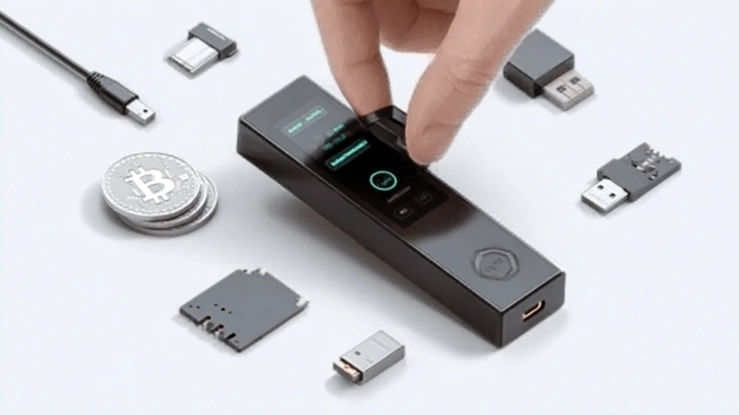
Understanding Security Risks of Ledger Cold Wallet
Ledger cold wallet security risks divide into categories based on whether hardware protection applies. Technical attacks against the secure element face proven defenses with no documented successful key extraction. User-side risks bypass hardware protection entirely by targeting behavior, knowledge, or physical security. Distinguishing between these categories enables appropriate response strategies.
Risk assessment should prioritize categories where losses actually occur. Historical data shows the vast majority of cryptocurrency losses from hardware wallet users result from user error rather than hardware compromise. This reality should guide security focus and protective investments for cold wallet users.
Risks Outside Hardware Protection
Ledger cold wallet user risks that hardware cannot prevent:
| Risk Category | Attack Vector | Hardware Response |
|---|---|---|
| Phrase disclosure | User reveals phrase | Cannot prevent disclosure |
| Verification skip | User ignores display | Shows correct information |
| Phishing compliance | User follows fake instructions | Cannot detect phishing |
| Lost device without backup | Physical loss without phrase | Cannot help without backup |
| Transaction manipulation | User confirms wrong details | Displays correct details |
| Social engineering | User deceived by attackers | Cannot assess deception |
Each category requires user awareness and appropriate practices for protection. The hardware wallet provides tools for security; users must employ them correctly to maintain crypto security.
How Most Losses Actually Happen
Ledger cold wallet common risks documented loss patterns:
- Users enter recovery phrases on phishing websites
- Users share phrases with fake support representatives
- Users store phrases digitally where malware can access them
- Users confirm transactions without verifying details
- Users lose devices without maintaining phrase backups
- Users fall for "urgent" scam messages requiring immediate action
- Users download malware disguised as legitimate software
The common thread across loss patterns is user action that bypasses hardware protection. Understanding these patterns enables targeted prevention efforts via USB-C and Bluetooth connected devices.

User Behavior Risk Categories
Ledger cold wallet security risks from behavior patterns require awareness of specific vulnerability categories. Behavioral risks affect users regardless of hardware quality because they target human psychology rather than technical systems. The secure element cannot protect users from their own decisions when those decisions compromise security.
Behavior-based attacks succeed because they exploit trust, urgency, authority, and fear rather than technical vulnerabilities. Defending against these attacks requires recognizing manipulation patterns before complying with harmful requests.
Social Engineering Vulnerabilities
Ledger cold wallet user risks from manipulation attacks:
Common social engineering patterns:
- Fake support requests requiring phrase "verification"
- Urgent security alerts demanding immediate action
- Authority impersonation from "Ledger team" contacts
- Fear-based warnings about account compromise
- Greed-based offers promising free cryptocurrency
- Trust exploitation from seemingly helpful strangers
- Confusion tactics during complex situations
- Time pressure preventing careful consideration
Each pattern attempts to bypass rational decision-making. Recognizing patterns before engagement prevents successful manipulation for cold storage protection.
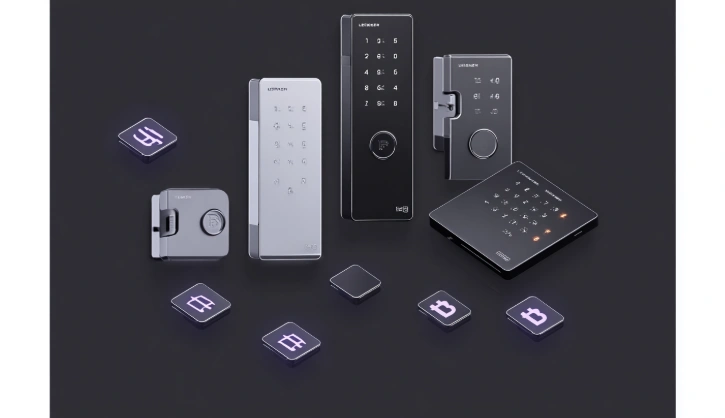
Physical Security Considerations
Ledger cold wallet risk factors extend to physical device and backup security where improper handling creates vulnerability. Physical risks include device theft, backup exposure, and loss scenarios where recovery becomes impossible. Addressing physical security complements hardware protection for complete coverage.
Physical security requirements vary based on asset value and threat environment. Higher-value holdings may warrant enhanced physical protections while modest portfolios may accept simplified approaches. Risk assessment should match protective measures to actual exposure.
Device Loss and Theft Scenarios
Ledger cold wallet security risks from physical scenarios:
| Scenario | Primary Risk | Mitigation |
|---|---|---|
| Device lost | Access inconvenience | Maintain phrase backup |
| Device stolen | Potential coercion risk | Consider passphrase, transfer funds |
| Device damaged | Temporary access loss | Restore on replacement |
| Backup exposed | Complete wallet compromise | Secure storage, geographic distribution |
| Backup lost | Potential permanent loss | Multiple secure copies |
| Backup damaged | Recovery failure | Durable metal backup |
Physical security planning should address each scenario before occurrence. Unlike Trezor or KeepKey with similar physical considerations, Ledger's passphrase feature provides additional protection options for private keys.
For recovery risks, see our Ledger Cold Wallet Recovery Risks guide. For firmware risks, visit Ledger Cold Wallet Firmware Risks. For risk mitigation, see Ledger Cold Wallet Risk Mitigation.